
Hybrid electric vehicles (PHEVs) are making a comeback
- yassine zeddou
- Sep 18, 2024
- 3 min read

Updated: Dec 12, 2024
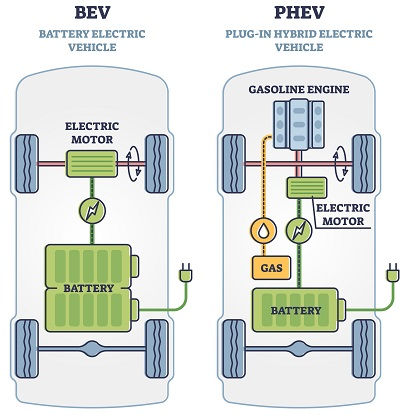
Hybrid (Phev) is enjoying new consumer interest and is making a comeback to the global market for hybrid electric vehicles. Several factors have contributed to this shift.::
Flexibility and range: PHEVs combines the advantages of an electric drive with a gasoline engine. This dual power capability allows the driver to use electric power for shorter trips and switch to gasoline for longer trips. This provides more flexibility and eliminates the range concerns that often occur in pure electric vehicles (EVs).
Infrastructure preparation: In many areas, electric vehicle charging infrastructure is still under construction. PHEVs provide a solution by reducing dependence on charging stations, as they can rely on gasoline if needed. This makes it a more practical option, especially in areas with limited charging infrastructure
Transition Technology: Phev will act as a transition technology for consumers reluctant to switch completely to electric vehicles. It represents a springboard for the introduction of electric vehicles by supporting traditional engines while allowing drivers to experience electric driving
Government Incentives: Some countries and regions offer incentives and subsidies to Phevs as part of their efforts to promote cleaner transportation. These incentives can make Phev economically attractive compared to conventional vehicles and increase its popularity.
Improved battery technology: Advances in battery technology have improved the efficiency and range of PHEVs. The newer models are larger models, making them more attractive for consumers who want to reduce their carbon dioxide footprint without sacrificing comfort.
Market Demand: There is growing consumer demand for vehicles that offer lower emissions without sacrificing range or performance. Phev meets this demand by providing a balance between the electric drive and the traditional functions of the internal combustion engine.
The revival of Phevs in the global market reflects a mix of consumer preferences, technological advances, and supportive regulatory frameworks aimed at reducing emissions and promoting sustainable transport solutions.
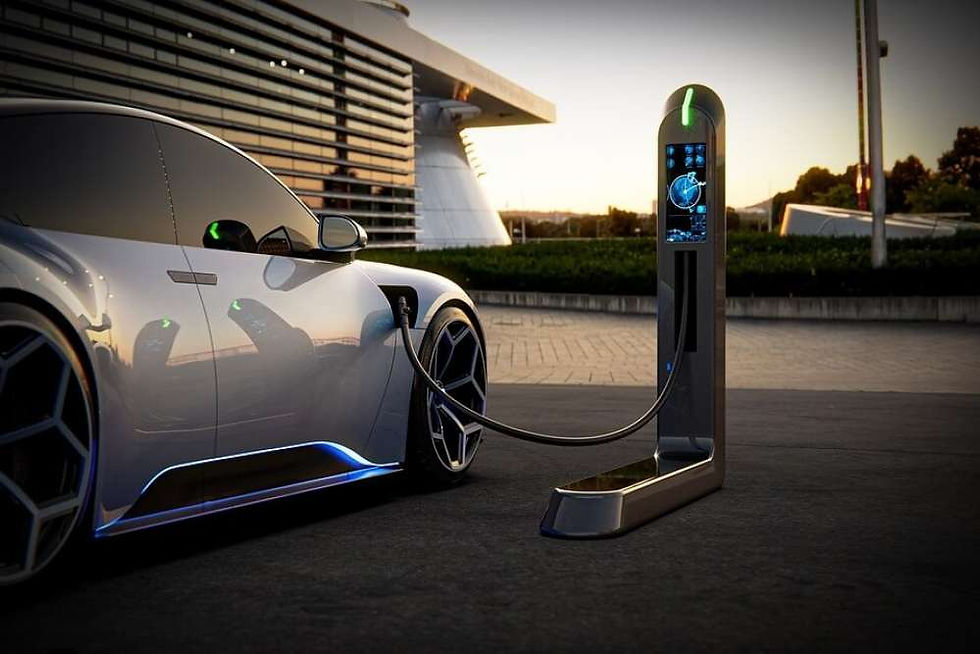
Global automakers have also helped drive the transition to Phev for several reasons. Because Phevs qualify for many of the same incentives that apply to purely battery-powered hybrid electric vehicles (Bevs), the key factor is the current regulatory environment.
Automakers note that many customers who shy away from buying a BEV for fear of range or for fear of finding a charging station are willing to consider buying a PHEV. You can benefit from fuel savings on short trips on the site and refuel with peace of mind on long trips. For these customers, the combination of environmental benefits and worry-free driving makes PHEVs a more attractive option.
As automakers respond to these consumer trends, the number of different PHEV models offered is increasing.
The Statista report further points to the following:
The U.S. PHEV market is expected to have a CAGR growth rate of 5% per year over the next 4.57 years, and by 2029 it is expected to reach 359,80,000 units.
The volume weighted average price for the plug-in hybrid electric vehicle market in the United States is expected to beド65.3,000 per vehicle by 2024

In recent years, the United States has seen increased demand for plug-in hybrid electric vehicles due to increased awareness of environmental sustainability and government incentives, while China has maintained a significant lead in the number and proportion of Phev market share from an international perspective. J.D.According to Power, "Phevs account for 14% of approvals in China, up from 10% in the same period last year.“
Overview Electric vehicles
According to Forbes, "PHEV sales are gaining momentum because the growth of electric vehicles is probably temporarily stalled.“
Currently, as many analysts are re-adjusting their forecasts for short-term sales growth for full-blown BEVs, automakers are looking for more flexibility to meet the re-increasing demand for Phevs as an alternative. At the same time, BEV offers and price cuts are activating this market segment, so we need to strategically focus on larger market opportunities in the long term.
In this changing environment, automakers need to rely on supplier partnerships that can cover the full range of Phev powertrain electrification solutions while also supporting future changes to BEVs.


Comments