
Mexico builds its own cheap electric vehicles
- yassine zeddou
- Oct 18, 2024
- 3 min read

Updated: Dec 11, 2024

Mexico Bold to establish itself as a major player in the electric vehicle industry by Mexico builds its own cheap electric vehicles Mexico has traditionally been known for its strong role in the automotive manufacturing of global brands such as Ford, GM and Volkswagen and now focuses on innovation and sustainability. The Mexican government is working with private companies and start-ups to try to produce low-cost electric vehicles for local and global markets.
A new Era for the Mexican auto Industry
Mexico has a long history as a traditional car manufacturing hub and is in a position to lead the EV revolution in Latin America by leveraging its industrial infrastructure. Mexican manufacturers use their experience and expertise in automotive production to design and build electric vehicles that are specifically tailored to the needs of the Mexican market and other emerging markets around the world.
one of the main players of this initiative is VEMO, a Mexican company specializing in the production of electric vehicles and the development of EV infrastructure. In addition to government-funded projects, VEMO aims to develop a range of affordable electric vehicles that meet Mexico's special needs, such as combating urban congestion and reducing pollution in major cities such as Mexico City and Monterrey.
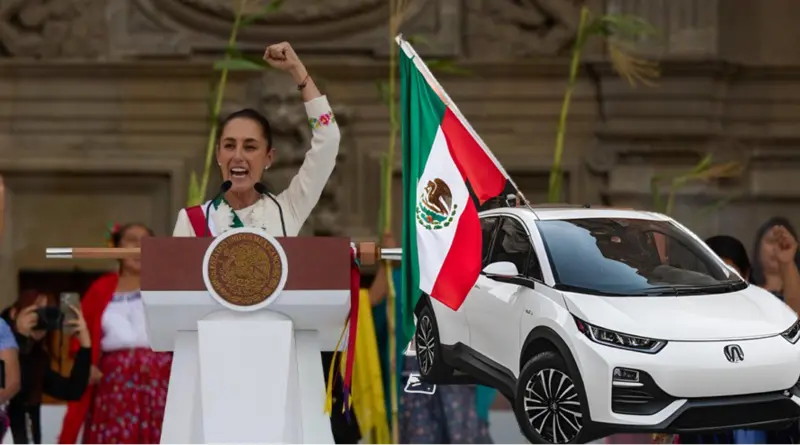
Mexico is tired of importing cheap electric cars from China and India, but is developing its own prototypes. The new president of the country, Claudia Sheinbaum, said that when building a domestic supply chain, the automaker plans to develop several models.
Although Tesla officially paused plans for its Gigafactory in Mexico until after the U.S. electric launch in November, the country will continue to build vehicles domestically.
Sheinbaum confirmed Friday that Mexico is building a series of small, low-cost electric vehicles that could compete with those in India and China. There are already several prototypes in the country.
"We will create a supply chain so that everything in an electric car is manufactured domestically and imported as little as possible," Sheinbaum explained. The move comes as Mexico seeks to cut Asian imports while securing its domestic supply chain.
In her inaugural speech on October 1, Sheinbaum revealed plans to introduce an electric vehicle manufactured and assembled in Mexico.

Mexico Competes with China on Cheap, Compact Electric vehicles
"We produce Orinia, which means "moving" in Nahuatl. "This small electric car is perfectly designed by the young Mexican talent in our country," Sheinbaum said earlier this month.
She did not specify in more detail which companies would build the new models, but Sheinbaum said that the Mexican automaker plans to work with researchers to bring some models to market.
The Mexican company "has been manufacturing electric motors for a long time," she added."So we could think of putting them together with Mexican researchers so that we could assemble this electric car.“
Mexico is advancing other high-tech projects, including semiconductors, to ensure a stable supply chain.
"We will integrate into the semiconductor production chain and at the same time develop domestic production," she said.
The country will give priority to supplying lithium, an important resource for electric vehicle batteries, to households. Sheinbaum said that Mexico is developing new technologies to extract lithium at a low cost.
Affordable electric vehicles for mass adoption
What sets Mexico's entry into the electric vehicle market apart from many global initiatives is its focus on affordability. The high cost of electric vehicles is a major obstacle to mass adoption, especially in developing countries where average incomes are low. By developing low-cost electric vehicles, Mexico hopes to make electric vehicles available to the average consumer and contribute to a more inclusive transition to clean energy in transportation.
Prototypes of these inexpensive electric vehicles have already been tested, and mass production models are expected to be on the market in the coming years.
Infrastructure and Challenges
The expansion of the country's charging infrastructure is critical to the widespread introduction of electric vehicles in Mexico. The government is partnering with private companies to install more charging stations in major cities and highways. However, further efforts are still needed to ensure that rural areas and small cities are also suitable for electric vehicles. Another challenge is to allow the country's power grid to support a massive influx of electric vehicles.
conclusion
Mexico's push to develop its own affordable electric vehicles shows a major change in the world's electric vehicle landscape. With its established manufacturing expertise and focus on developing budget-friendly models, Mexico is ready to own a real-life electric car for millions of people. If successful, the initiative could become a blueprint for other countries that want to reduce emissions and introduce sustainable transportation on a large scale.


Comments