
The future for electric vehicles
- yassine zeddou
- Oct 15, 2024
- 3 min read

Updated: Dec 11, 2024
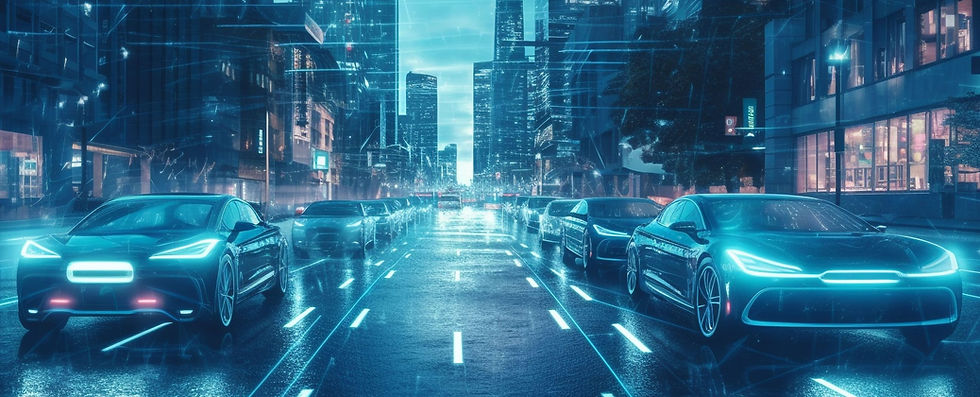
With governments, manufacturers and consumers increasingly committed to reducing CO2 emissions and introducing cleaner transportation options, the future of electric vehicles (EVs) is in a position to become the dominant mode of transport in the coming decades, thanks to bright and technological advances, growth in charging infrastructure, and favorable guidelines. Let's look at some key factors that shape the future of electric vehicles, and what he's talking about the future of electric vehicles.
More places to charge your vehicle
1. One of the main reasons some people may be reluctant to switch from gas-powered cars to electric cars is because many potential drivers suffer from range anxiety. Range anxiety and the fear that electric vehicles will run out of energy before they reach their destination are major problems for most consumers.
In a survey conducted by Volvo and Harris Polling, 76% of the drivers surveyed believe electric vehicles are the future of driving. But 61% of the same respondents would rather buy electric cars if more charging stations were available nationwide. Fortunately, this wish can soon become a reality.
Bigger battery, better technology
to more electric vehicle-friendly infrastructure, other future technological developments can also reduce driver range anxiety.
Electric vehicle battery technology has already improved over the years. At the top end of the battery range, for example, the Tesla Model S2021 can travel about 400 miles before it needs to be charged. Other cars, such as the 2021 Ford Mustang Mach-E RWD, can cover a similar range that can reach 300 miles. Meanwhile, the 2021 Chevrolet Bolt and 2021 Hyundai Kona have a cruising range of about 250 miles.
Other types of electric vehicles
From electric hypercars to electric trucks, the future of electric vehicles looks pretty bright. If the current compact electric car is not the type of vehicle you usually want to drive, you need to know that you can quickly put a large electric car on the road.
Admire the Bollinger B1 or its sister car, the Bollinger B2, which has great horsepower that can compete with current trucks on the market. Take a look at the Japanese Aspark Owl, which has butterfly doors, four-wheel drive and a top speed of 174 miles per hour.
Government policies and Incentives
Governments around the world are introducing measures to accelerate the transition to electric vehicles. Many countries have set ambitious goals to ban the sale of new petrol and diesel cars within the next 20 years. Incentives such as tax credits, discounts and subsidies for the purchase of electric vehicles will help make electric vehicles more affordable for the average consumer , in addition investments in renewable energy and the electrification of public transport will further drive the uptake of electric vehicles.
Rapid technological progress
The most important driver for the future of electric vehicles is the rapid progress in battery technology. Current research focuses on improving the energy density, charging speed and service life of batteries while reducing costs. Solid-state batteries, for example, have proven to be groundbreaking in the industry, promising faster charging times, longer range and more safety compared to today's lithium-ion batteries. With the advancement of battery technology, electric vehicles have become more affordable and comfortable, solving the fear of the range, which is one of the main problems of potential buyers.1
In addition, autonomous driving technology is expected to complement the rise of electric vehicles. Many electric car manufacturers, including Tesla and General Motors, have invested heavily in autonomous driving systems that will enable fully autonomous electric vehicles in the future. These advances will revolutionize not only the way we drive, but also the concept of car ownership and ride-sharing.
conclusion
The future of electric vehicles is promising, with advances in battery technology, expansion of charging infrastructure, government support measures, and increased consumer demand for environmentally friendly modes of transport. When these factors come together, electric vehicles will revolutionize the way we travel, reduce our dependence on fossil fuels, and contribute to a cleaner and greener future for the planet.


Comments